
Interpreting old handwriting in genealogical documents
Start with living relatives and home sources
Every family tree begins with you. Before you open a single online database, talk to your living relatives. Parents, grandparents, aunts, uncles and older cousins can hold details that no record will ever capture: nicknames, family stories, estrangements, and the exact places your ancestors lived. Ask open questions and let them talk. Record the conversation if they agree. Write down what you hear straight away, including any contradictions or uncertainties. Memory is fallible, but even a mistaken detail can point you towards a real record.
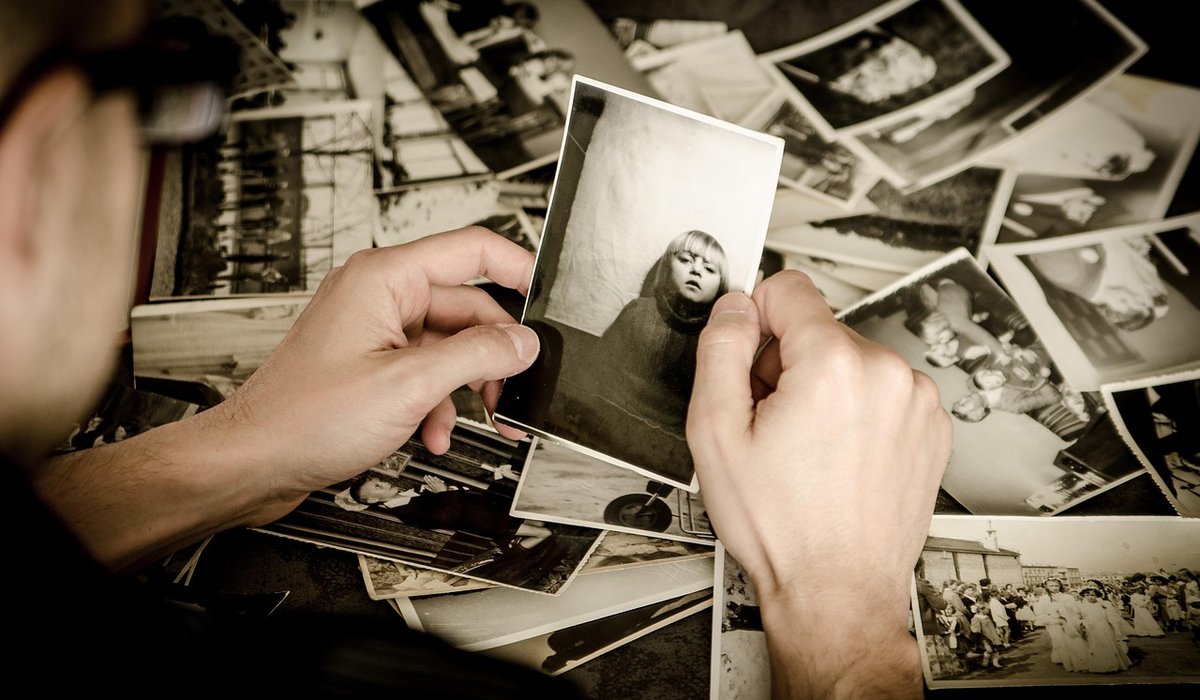
Then search your own home. Dig out birth, marriage and death certificates, baptism cards, school reports, military papers, photographs with names on the back, letters, diaries and address books. These are primary sources you already own. Note the names, dates and addresses they contain. Even a birthday card can reveal a middle name or a family connection you had forgotten.
Work backwards through civil registration
From 1 July 1837, births, marriages and deaths were registered in England and Wales. Scotland began in 1855, and Ireland followed in 1864 (with non-Catholic marriages registered from 1845). These civil registration records are the backbone of British family history. Always work backwards from the most recent event you can prove. If you know your grandfather's birth date and place, order his birth certificate first. It will give his parents' names, his mother's maiden name, his father's occupation and the family's address.
Marriage certificates are equally valuable. They provide the ages, occupations and fathers' names of both parties, plus the names of witnesses who were often relatives. Death certificates give age, cause of death and the name of the informant. Order certificates from the relevant national records office for the country your ancestor lived in. Use the free indexes to find the correct registration district, volume and page number before you order. Never guess a reference — a wrong certificate is an expensive mistake.
Use census returns to place families
Censuses have been taken every ten years since 1801, but from 1841 they name every person in the household. England and Wales have censuses available from 1841 to 1921 (the 1921 census was released in 2022). Scotland has 1841 to 1921. Ireland has only 1901 and 1911 surviving in full. A census return shows an address, each person's name, age, relationship to the head of household, occupation and birthplace. In 1841, ages for adults were rounded to the nearest five years, and relationships were not given.
Search for your family in each census decade. You can watch children appear, see couples marry and move house, and identify siblings you never knew existed. Census returns are a snapshot, not a biography. Ages can be wrong, birthplaces vague, and spellings inconsistent. Cross-check every detail against certificates and other records before you accept it.
- Start with the most recent census your ancestor appears in, then move back.
- Note the full address, including street and parish — this helps you find the right registration district.
- Look at neighbours on the same page; they are often relatives or in-laws.
- Remember that the 1921 census for England and Wales is the last one available for now; later censuses remain closed for 100 years.
Go further back with parish registers
Before civil registration, the Church of England kept parish registers of baptisms, marriages and burials. These usually begin in 1538, though many are incomplete or illegible. Scotland has its own old parish registers, and Ireland has a mix of church records. Nonconformist congregations — Baptists, Methodists, Quakers, Catholics — kept their own registers, sometimes in a different archive.
To use parish registers, you need to know your ancestor's parish. Census returns and certificates will usually give you a place name, but boundaries change. Look for the parish church, not just the town. County record offices and national archives hold most original registers, and many are indexed online. Bishop's transcripts — copies sent to the diocese — can fill gaps where the original register is lost.
Keep your tree reliable and organised
As your tree grows, it becomes easy to copy a mistake from someone else's research. Treat every online tree as a hint, never as proof. Record where each fact came from: a certificate, a census page, a parish register entry. Note the date you found it and any reference number. Keep a simple research log for the ancestors you are stuck on, listing what you have searched and what you still need to check.
When records conflict, weigh the evidence. A birth certificate created near the event is usually more reliable than a death certificate written decades later by a grieving relative. If you cannot resolve a discrepancy, note it and move on. You can always come back.
Finally, remember that family history is a marathon, not a sprint. Celebrate each confirmed generation. Talk to older relatives before it is too late. Order certificates one at a time. And enjoy the detective work — your British ancestors left a remarkable paper trail, and you are now following it.
LEAVE A COMMENT