
Researching Irish ancestors before the famine
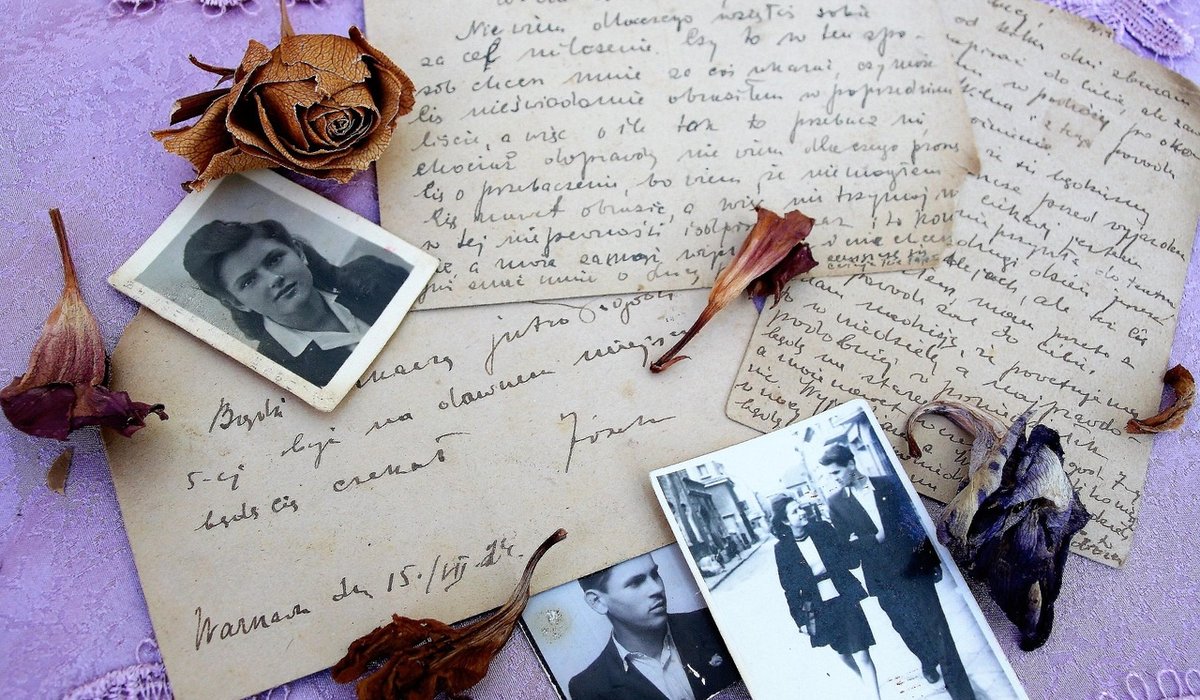
Long before the Registrar General's certificates and the census returns, the parish register was the backbone of English and Welsh family history. From 1538, when Thomas Cromwell ordered every parish to keep a register of baptisms, marriages and burials, these volumes became the first continuous record of ordinary people's lives. For Scotland, the Old Parish Registers began in 1553 but are far patchier; in Ireland, most parish registers were destroyed in 1922, making survival a matter of luck. This article focuses on the English and Welsh system, but the principles apply broadly. Understanding the quirks, gaps and formats of these records is the key to pushing your ancestry back beyond 1837.
When parish registers began and how they changed
The first registers were simple paper books, often poorly kept. In 1598, Elizabeth I's government ordered that parchment copies be sent annually to the bishop—these are the Bishop's Transcripts. They can fill gaps where the original register has vanished, but they are not always complete. Three later dates shape what you will find:
- 1640s–1660s: The Civil War and Interregnum caused chaos. Some parishes stopped recording entirely; others kept going but with gaps. Many registers were hidden, lost or damaged.
- 1754: Lord Hardwicke's Marriage Act standardised marriage entries. From then on, registers had printed forms with ages, parishes, occupations and signatures.
- 1813: Rose's Act required separate printed registers for baptisms and burials, with more detail such as abode and father's occupation.
Knowing these dates helps you interpret why an entry looks the way it does—and why some years are missing.
Reading the format: baptisms, marriages and burials
Each type of entry has its own conventions. A baptism is not a birth record: it usually happened within days or weeks, but could be months or years later. Before 1813, a baptism might say only "John, son of William Smith" with no mother's name. After 1813, you get abode, occupation and sometimes the mother's maiden name (though not usually).
Marriages before 1754 are notoriously thin: often just the names of bride and groom and the date, sometimes witnesses. After 1754, you get ages (or "of full age"), parishes, occupations and signatures or marks. A burial is not a death record: it gives the date of burial, not death. Ages may be approximate, and "infant" could mean a child under seven, not a baby.
Gaps, losses and the Civil War
Few parishes have a complete run from 1538. The Interregnum (1649–1660) is the biggest single gap. Some registers simply stop; others record only births and burials for a few years. Fires, floods, damp, rats and poor storage have taken their toll. Even when a register survives, pages may be faded or torn.
Bishop's Transcripts are your first port of call for missing originals, but they too have gaps—and they were often made hastily. Nonconformist registers, kept by Baptists, Independents and Quakers from the late 17th century, may be the only record if your ancestor left the Church of England. After 1754, nonconformist marriages had to take place in an Anglican church, so you may find them in parish registers anyway.
Handwriting, Latin and dating pitfalls
Before the 1730s, most entries were written in Latin, even after the Reformation. Common words include filius (son), filia (daughter), uxor (wife), vidua (widow), baptizatus (baptised) and sepultus (buried). The handwriting—Secretary hand, then italic—takes practice. Watch for abbreviations: "X" for Christ, "ob" for obit (died), "ex" for excommunicated.
Dates are trickier than they look. Until 1752, the year began on 25 March (Lady Day), so a January 1740 entry might actually belong to 1741. Regnal years (e.g., "12 Geo. II") require conversion. And remember that a burial might be recorded several days after death, especially in winter.
Using parish registers effectively: indexes, transcripts and originals
Start with online indexes and transcripts—they are quick and can point you in the right direction. But never trust an index alone: always look at the original image if you can. County record offices hold most original registers, with Bishop's Transcripts usually at diocesan archives. Some registers remain with the incumbent, so check local catalogues.
Be systematic. Note name variants (Smith/Smyth/Smithe), search neighbouring parishes, and consider that a baptism might appear in a different parish if the mother returned to her parents. Use other records to fill gaps: marriage licences, settlement examinations, churchwardens' accounts and poor law papers. But the parish register remains your first and best witness.
Working around missing entries
If your ancestor vanishes from the register, do not despair. Try these practical steps:
- Check Bishop's Transcripts for the same years—they may have survived when the original did not.
- Look at adjacent parishes, especially if you are near a county boundary.
- Search nonconformist registers and the registers of "peculiar" parishes (those exempt from the bishop's jurisdiction).
- Consider a late baptism or an adult baptism—sometimes whole families were baptised together.
- Use parish chest records such as vestry minutes or settlement examinations to confirm a person's presence.
Parish registers are not perfect, but they are remarkably rich. Once you learn their language and their limits, you can trace your family back to the 16th century—and sometimes beyond, into manorial and tax records. The key is patience, paleography practice and a healthy respect for the gaps.
LEAVE A COMMENT